Table Of Content

Even excessive brushing or styling can make hair more porous, according to research. Environmental factors — such as too much exposure to the sun’s UV rays — can also cause your hair to lose moisture and become more porous. It's not always a matter of whether you were born with curly or straight hair, all of these factors can damage your hair and make it less likely to retain moisture. Hair porosity is largely determined by genetics and cannot be permanently changed. However, certain external factors like chemical treatments, heat styling, and environmental damage can temporarily alter hair porosity.
15 Products for Low Porosity Hair in 2024 - PureWow
15 Products for Low Porosity Hair in 2024.
Posted: Thu, 29 Feb 2024 08:00:00 GMT [source]
What is Low and High Hair Porosity?
I Tried The Hair Porosity Test & It Saved My Natural Hair - Refinery29
I Tried The Hair Porosity Test & It Saved My Natural Hair.
Posted: Fri, 24 Jun 2022 07:00:00 GMT [source]
While low porosity hair requires less frequent moisturizing and benefits from minimal heat, high porosity hair demands more regular hydration and protection from potential damage. The drying methods, detangling practices, and protective styling choices also vary between these hair types. Moreover, scalp care and sun protection are vital for maintaining the overall health of the hair, regardless of its porosity. By tailoring your hair care routine based on your hair’s porosity, you can ensure it remains strong, shiny, and resilient.
How to care for high porosity hair.
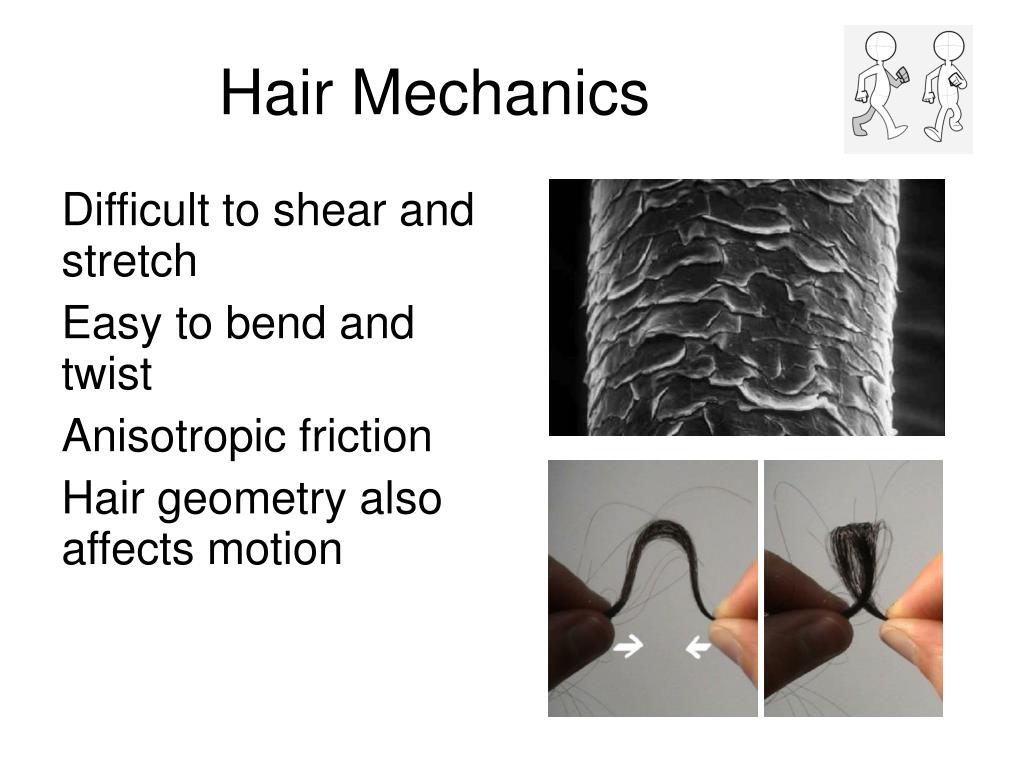
Remember that different hairs on your head can have different levels of porosity. If your hair has experienced any of these factors, your curls may require protein-rich products. Using a protein hair treatment could help to repair some of the damage done to your hair and help you achieve strong curls. While identifying your hair type and building a solid haircare routine around it is important, it's only half the equation to a good hair day. Your hair's porosity is also a factor when it comes to determining the best products for your hair needs. If there are gaps between the scales, more moisture can get through.
Low porosity hair: Signs and how to care for it
Low porosity hair’s tightly bound cuticles make it challenging for moisture to penetrate, leading to potential dryness. On the other hand, high porosity hair, with its gaps in the cuticle, can absorb moisture like a sponge but struggles to retain it, often leading to rapid dryness after washing. Another way to test your hair porosity is to slide your fingers up one strand of hair from the end toward your scalp. "If you feel roughness, this means your cuticle is lifted and you have high porosity hair. If your fingers glide evenly, then you have low porosity hair," says Fitzsimons.
Demi Permanent Vs. Semi Permanent Hair Color
The first test is the water test where you put a strand of hair in a glass of water and observe how it sinks. If it quickly sinks to the bottom, that’s shows your hair is highly porous, if it floats, that’s low porosity hair and if it sinks slowly, your hair is medium porosity. Usually, hair porosity is genetically determined and does not change over time. And in most situations, you will not be able to change your porosity. However, it is possible to increase your hair's porosity with chemical and heat damage.
Let’s be honest, we’ve all obsessed at least a little bit about our hair type or curl pattern. Maybe it’s somewhere in-between 3c and 4a, or maybe you have 4a, 4b, AND 4c in different parts of your hair! As one of the most visible characteristics of natural hair, it can seem all-important, and many people think knowing their hair type will ultimately determine how to care for their hair. "You can view the outer layer as tiles that are piled upon each other just like a roof," says Onuoha.

The Deep Conditioning Masque from her line, Alodia, contains both oils and wheat protein. "Running water over this hair, you may notice that the water flows over and off it easily, before starting to be absorbed by strands," François says. We all know that taking care of your hair isn't exactly straightforward.
For starters, you need to consider your curl type—not to mention, the thickness of your hair. Then, you have to factor in whether or not your hair is chemically relaxed and/or color-treated. In some cases, you may even have a scalp condition—like psoriasis—that has to be catered to. And if that weren't enough, you also have to think about hair porosity. Adds protein to the cuticle layer of hair strands to strengthen and reduce damage.

Porcelain Vs. Ceramic Hair Straighteners
Too many other variables, from hardness of your water to the amount of product on the strand of hair, could impact how long it takes for your hair to sink, she says. "The only test that I would recommend is there's a lab that you can send your hair to that literally tests your strands," she says. As mentioned, water more easily passes through high-porosity hair compared to hair that's on the low-porosity end of the spectrum.
Hair porosity is partly determined by genetics but our age, hormone levels and more importantly, the way we treat our hair can also affect its porosity. Chemically processing our hair with relaxers or color treatments, for example, can open up or close the cuticle of our hair shaft, causing the porosity of our hair to change. There are a few tests you can do to figure out your hair’s porosity type. You can almost tell where your hair falls by just observing how fast or slow it gets sopping wet and how fast or slow it gets dry or losses moisture. When I embraced my natural hair, I didn’t know much about porosity type.
So, how do you determine your hair's porosity level and why does it matter so much? We tapped Vernon François, a celebrity hairstylist, educator, and founder of Vernon François Haircare, and Isfahan Chambers-Harris, a trichologist, Ph.D. Scientist, and founder of Alodia Hair Care, to help us break down everything you need to know about your porosity. You've figured out your hair texture, scoured product reviews on social media, curated a product lineup in your shower, and used said products on your next wash day. However, it is possible to work with low porosity hair to keep it healthy and hydrated.
High porosity hair already has high raised cuticles and gaps so you don’t need as much heat as you would with low porosity hair. For high-porosity hair, you need to focus on restoring moisture and repairing damage. Deep conditioning treatments and regular trims can also help restore the hair's health and prevent further damage.
Moisture Hero™ Shampoo and Moisture Hero™ Conditioner are specifically formulated with a medley of deeply hydrating botanicals and hydrolysed proteins to replenish and repair ultra-porous, dry hair. My strands are coarse and dry, so I’m always on the hunt for the most effective products for high porosity hair. In my experience, a sulfate-free shampoo and conditioner is a must. Moisture Hero™ Duo is formulated sans sulfates, and gently cleanses (without stripping!), giving dry and frizzy hair that much-needed moisture boost. As I mentioned above, one of the essential products for high porosity hair is an intensive protein treatment like Protein Repair™ Hair Mask to help fortify the cuticle and reduce damage.
Since using heat is pretty much detrimental to your hair, always use heat protectors to protect your hair when heat styling your tresses. Some people with textured hair use a technique to seal in hydration called the LOC method, which stands for leave-in conditioner, oil, and cream. The other way to test is to simply run your fingers down a hair strand to feel its texture and hair porosity. If the hair feels smooth then it is low porosity, if it is rough or bumpy then it is high porosity.



No comments:
Post a Comment